programs:
SEE the growth
SEE programming offers a wide variety of educational opportunities. Our signature programs, the Ever So Sweet camps and the Leg Up Scholarships, create new riding opportunities for BIPOC equestrians and active allies. We also provide Professional Pathways for horse people of color to explore a wide variety of professional engagements with the equestrian world, and we offer web-based educational tools.
Ever So Sweet Camp
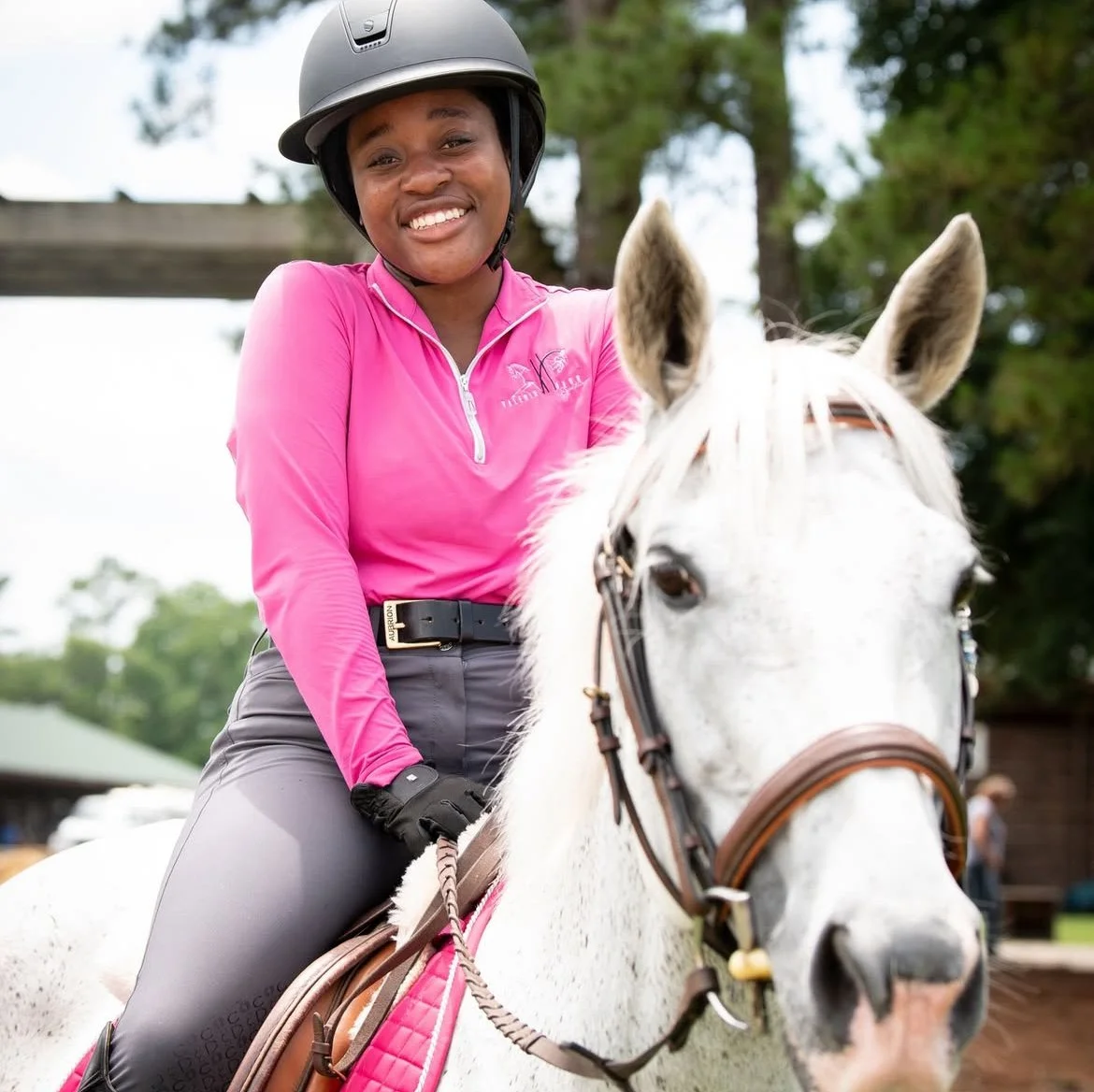
The Ever So Sweet Camp (ESS) provides Equestrians of Color a fully-funded opportunity to experience extended, community-driven training opportunities both in and out of the saddle with an upper-level professional rider. We are excited to continue offering ESS camps with our longtime trainer Sara Kozumplik at Overlook Farm in Berryville, VA, and we are thrilled to announce our first camp with Julie Wolfert at Wolfert Eventing in Bucyrus, KS.
Equitable Access
SEE promotes greater access to equestrian sports for BIPOC riders through funding and connection. Our Access Grants support inclusive organizations, and our national Access Directory highlights programs working to open doors across the U.S.
Leg Up Scholarships
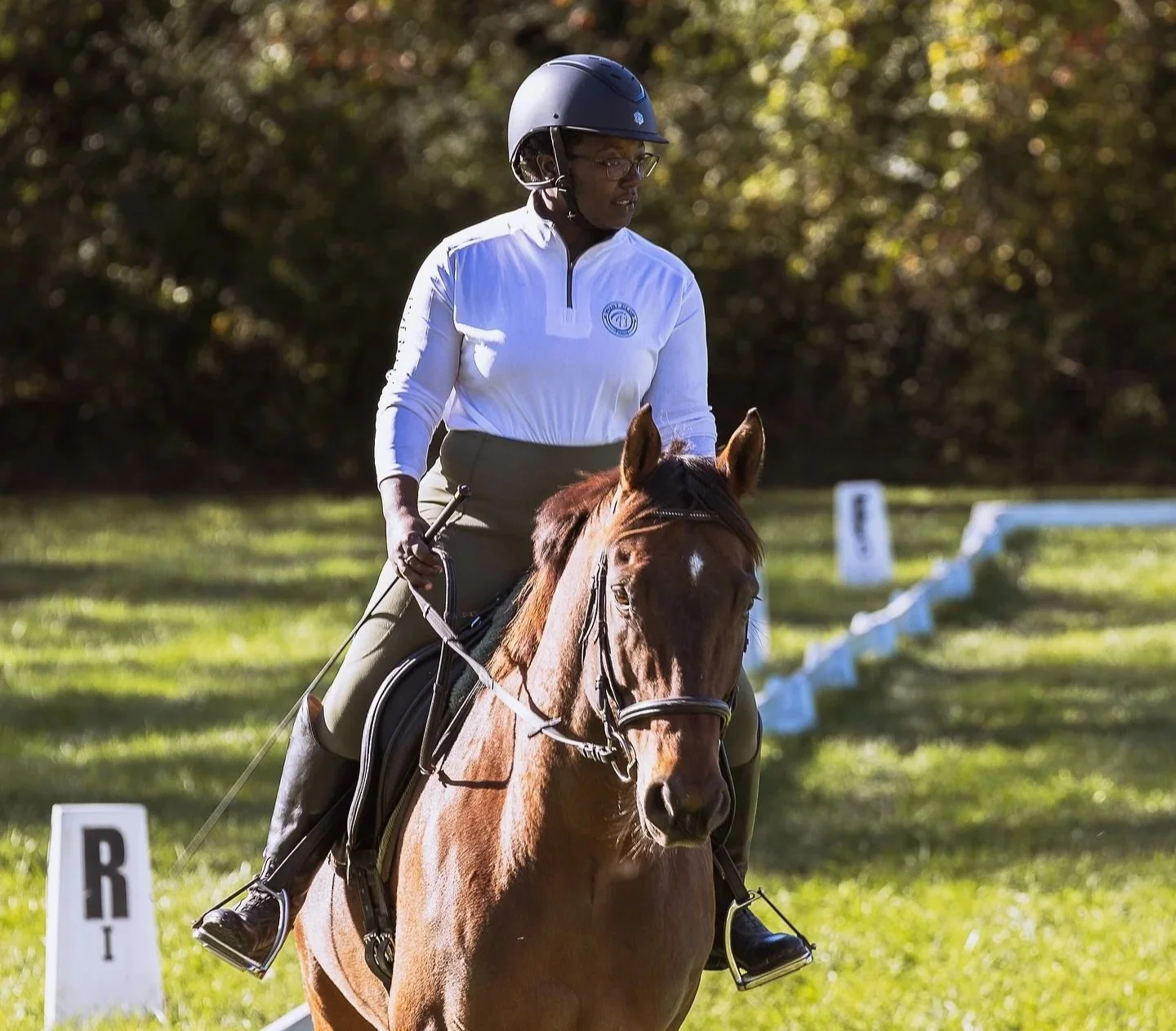
SEE’s Leg Up Scholarships give riders from diverse backgrounds opportunities to train with top equestrian professionals and advance their goals. Scholarships typically fund clinic or training instruction for several days or cover competition entry fees, helping reduce barriers to quality learning experiences. Some may also include housing, meals, or access to a lesson horse.
Professional Pathways
Sponsored by Mythic Landing Enterprises, LLC, the Professional Pathways Q&A series highlights Black, Indigenous, and People of Color (BIPOC) individuals working across the equestrian industry. By sharing personal stories, career paths, and advice, the series helps expand awareness of the diverse opportunities within the equestrian world and inspires the next generation of professionals.
Guides For Allies
Becoming an ally is an ongoing commitment. This guide brings together articles on BIPOC riders, important historical context, and practical tools to help you recognize harm, take responsibility, and actively support a more inclusive equestrian community.